


London, Since 1815
The story of Sampson Mordan begins in London in 1815, in a world of makers, mechanists and silversmiths. By 1822, the name was associated with a British patent for a metal pencil with an internal lead-propelling mechanism. In 1823, Sampson Mordan entered his first mark at the London Assay Office. The importance of those dates is not simply one invention, but the attitude behind it: precision, utility, ingenuity and the transformation of practical invention into beautiful works of silver and gold. Today, Sampson Mordan & Co. carries that language into jewellery, gentlemen’s accessories, silver, objets d’art and selected vintage works.
The Sampson Mordan T Bar
A first study for the present-day house.
The first Sampson Mordan T Bar has been made as a prototype: a study in line, balance and the quiet beauty of precious metal. It belongs to the future of Sampson Mordan & Co. and will be introduced only when its hallmarking, production and final presentation are complete.
Jewellery
Jewellery by Sampson Mordan is shaped by the discipline of precious metalwork.
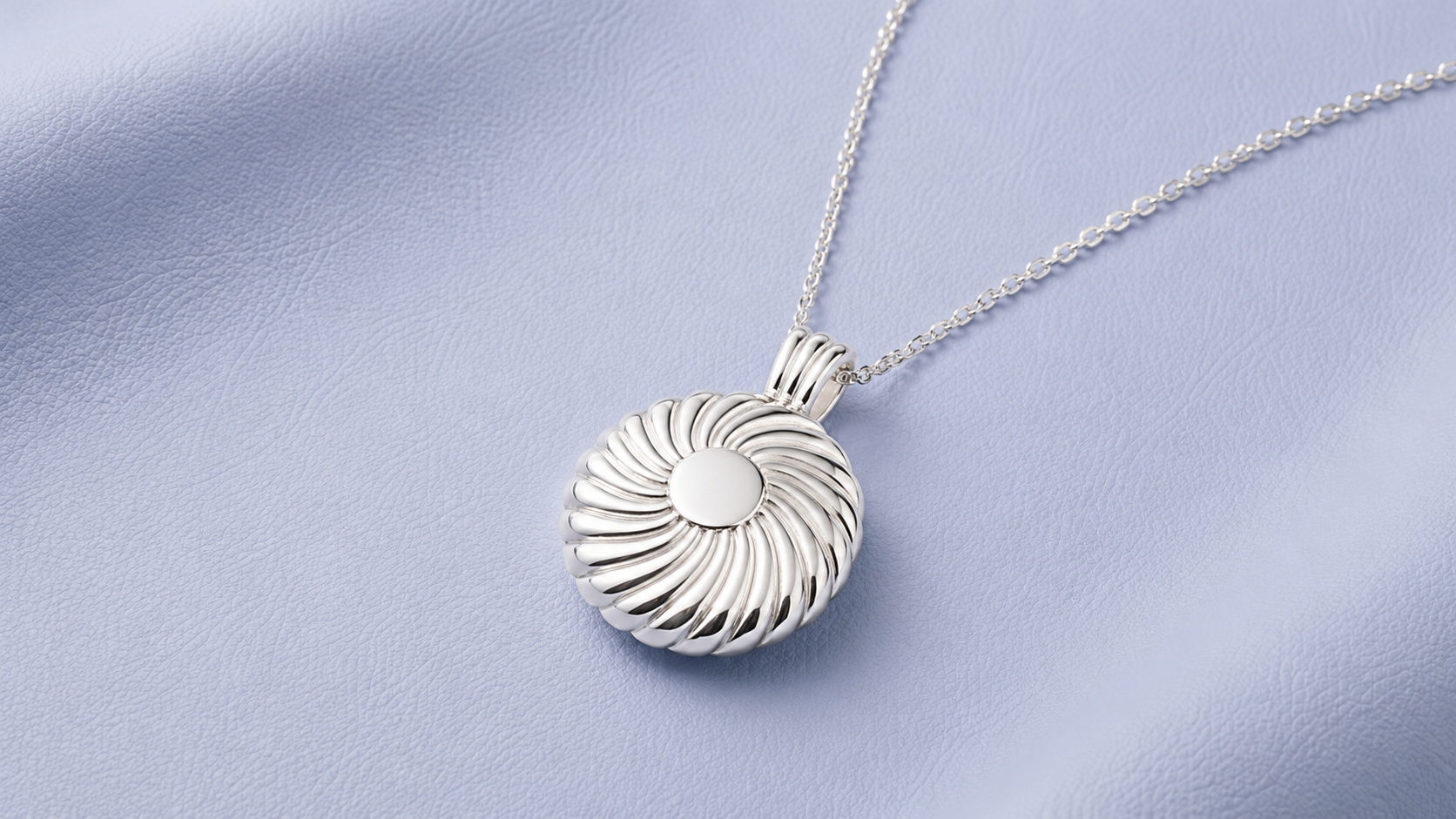
Rings, necklaces, pendants and bracelets are considered through weight, proportion, line and finish. Each is conceived to be worn, handled and kept, whether in silver, gold or platinum, with the beauty, utility and precision that shape the wider Sampson Mordan language.
Gentlemen
For the Wardrobe, Desk & Pocket
Sampson Mordan has long belonged to the rituals of the wardrobe, desk and pocket: pieces made to be carried, worn, opened, fastened, handled and kept. Today, that language continues through cufflinks, chains, dress accessories, key forms and silverwork — considered through weight, proportion, mechanism and finish.
Objet d’Art
Beauty is the purpose.
Sampson Mordan belongs naturally to the world of precious works for the table, cabinet, room and hand. In silver, gold, crystal and other fine materials, each is considered through proportion, surface, weight and presence — made for wonder, pleasure and keeping.
Vintage and Antique
From the Sampson Mordan Vault.
Selected vintage and antique Sampson Mordan pieces are offered for their design, craftsmanship, condition and character. From silver scent bottles and sovereign cases to desk pieces and personal accoutrements, each carries the marks of another age — part of a design history spanning two centuries of invention, silver and form.
The Language of Invention
For words, signatures and sentiments.
In 1822, Sampson Mordan’s name became associated with one of the defining inventions in British writing instruments: a metal pencil with an internal mechanism for propelling the lead. The importance of that design was not only mechanical. A pencil could sit in the pocket, pass from hand to hand, and mark the page wherever life required: a note, a sketch, a signature, a calculation, a story, a promise, a letter. Through the nineteenth and twentieth centuries, such instruments belonged to the intimate theatre of daily life — carried, used, kept and remembered. That same language of ingenuity continues through Sampson Mordan jewellery, silver, gentlemen’s accessories and objets d’art: pieces shaped by purpose, made with precision and finished to be kept.
Metal, Mark and Measure
The discipline of precious metal.
Sampson Mordan is rooted in the language of silver and gold: weight, proportion, surface, construction and mark. Every piece begins with material truth. Silver, gold and platinum are chosen for their character, worked with care and described with precision. Where required, new pieces are submitted for hallmarking, continuing the British tradition by which precious metal is tested, marked and made accountable. In jewellery, silverware and objets d’art, measure matters — the balance in the hand, the fall of a chain, the closing of a clasp, the weight of a box, the line of an edge.
The World of Sampson Mordan
Notes from a house of jewellery, silverware and design.
The World of Sampson Mordan brings together stories of invention, metalwork, collecting and design: from London silversmithing and historic patents to vintage pieces, new collections and the quiet rituals of daily life. Here, jewellery, silver, gentlemen’s accessories and objets d’art are considered not only as things to own, but as things with lineage, purpose, memory and character.
